

What Counts as Commercial Waste and Who Carries the Legal Risk
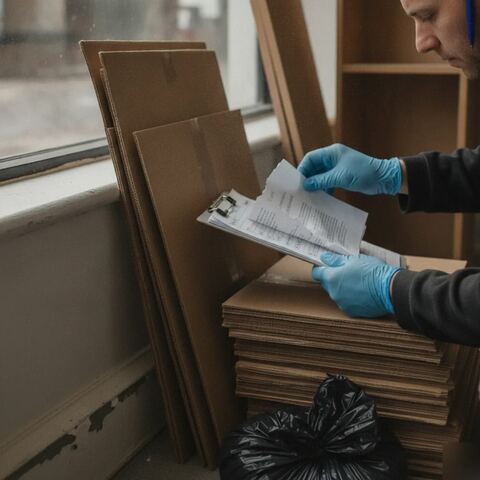
Any waste produced on business premises is commercial waste. It doesn't matter if it looks identical to what you'd throw out at home. For example, a broken chair from a shop on the High Street in Tunbridge Wells is legally different from the same chair in your kitchen. The law places these items into separate categories, with stricter rules for their disposal.
Commercial waste includes office furniture, old fixtures, packaging, shop fittings, catering equipment, IT hardware, warehouse stock, and general clear-out material from any business property. We handle many types of items, from restaurants closing down with kitchens full of stainless steel, to letting agents with void commercial units packed after a tenant disappears. We also help accountancy firms moving offices who find they have fifteen years of filing cabinets nobody wants.
Under the Environmental Protection Act 1990, the business producing the waste has a legal duty of care for it. This duty does not end when someone loads the waste into a van; it follows the waste until it reaches a properly licensed facility. If your waste ends up fly-tipped on a lane outside Pembury, you can be held responsible, not just the person who dumped it. Fines for businesses can reach tens of thousands of pounds.
Waste transfer notes protect you. Every load we remove comes with a proper waste transfer note confirming what was collected, where it went, and who carried it. We are fully licensed waste carriers. This gives you a clear paper trail from your premises to the disposal or recycling point. That acts as your proof of legal compliance if anyone ever asks.
Often, the businesses we help did not even know they carried this risk. They assumed the person with the van managed the disposal. But the duty of care remains with you until you can show you handed it to a licensed operator. You also need to keep those waste transfer notes for at least two years.
Not sure if your clear-out counts as commercial waste? If it's coming from a business address, it likely does. Call us for advice on your specific situation.
When You Don't Need a Full Commercial Clearance
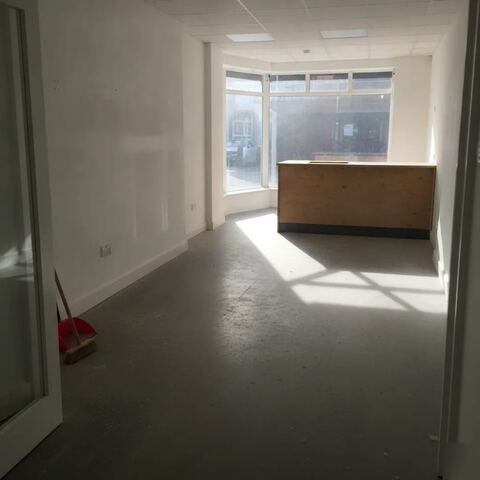
Sometimes a phone call saves you money before we even turn up.
If you have a single desk and a filing cabinet to shift, you probably don't need a full commercial waste clearance. We offer furniture removal and disposal for single items, which is quicker and costs less than booking a complete clearance. This also applies to a handful of old monitors or one broken printer. Full clearances are for larger volumes, not just a few items.
If your waste is purely general recycling that your regular trade collection handles, keep using them. We sometimes see businesses in Tunbridge Wells town centre call us thinking they need a clearance when their contract waste provider simply needs to collect more often. It's always worth checking with them first.
Another common question we receive is about refitting a shop or restaurant. If your contractors are producing construction waste, that is builder's waste, not commercial clearance. It falls under different rules, and your contractor should be removing it as part of their job. Do not let anyone add that cost onto you separately.
There is a grey area to consider. If you have a mix of things, perhaps four or five pieces of old office furniture, boxes of paperwork, a couple of appliances, and some general clutter from a stockroom, that is when a commercial waste clearance becomes the right option. The crossover point is usually when sorting and disposing of it yourself would take your staff a full day or more. Your staff's time has a cost too.
Not sure where you stand? Many people aren't. Call us and describe what you're looking at. We can often tell you over the phone whether a full clearance is the right move or if something simpler would do the job. There is no obligation either way. Just speak to us first.
Office, Retail and Unit Clearance Around Tunbridge Wells
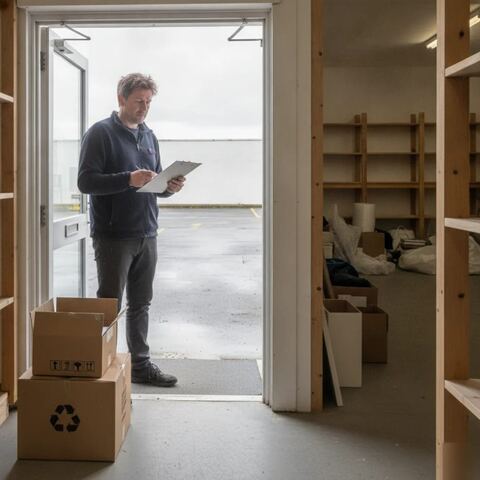
You have a lease end date circled on your calendar. Your landlord wants the space back empty. Right now, it is full of desks, filing cabinets, old stock, broken chairs, IT equipment nobody wants, and other items.
We see this every week.
Tunbridge Wells town centre has a mix of period commercial buildings along the High Street and Mount Pleasant Road. There are also newer units out towards North Farm and Longfield Road industrial estate. Each type presents different challenges. For example, a first-floor office above a shop on the Pantiles means narrow stairwells and no rear access. A warehouse unit on North Farm means bulky racking and heavy pallets. The best clearance approach changes depending on the building, so we always visit first.
Most commercial tenants do not realise how many items accumulate over five or ten years. This includes cupboards full of old paperwork, a server room with equipment from three upgrades ago, and kitchen areas with fridges, microwaves, and crockery. All these items need to be removed, and removed legally. As fully licensed waste carriers, we provide waste transfer notes for every load. This paper trail matters. If your waste ends up fly-tipped by someone else down the line, the duty of care remains with you unless you can prove lawful disposal.
Retail clearances tend to move faster. For instance, a closing shop in Southborough or Cranbrook might need shelving, signage, display units, and back-office furniture cleared in a day or two. We can usually manage same-week availability for smaller units like these. Larger office clearances across multiple floors take more planning, but the process remains consistent. We agree on what needs to be removed, we clear it, and we dispose of everything properly.
It is worth knowing that not everything has to go to waste. Office furniture in decent condition is donated to local charities wherever possible; nothing gets skipped unnecessarily. Monitors, desks, chairs, if they are still usable, we will find them a home. This helps take some of the pressure off when you are already dealing with the stress of closing or relocating a business.
If you're managing a commercial clearance and you're not sure where to start, give us a call for a free, no-obligation quote.
How Commercial Waste Clearance Pricing Works
You want a figure, and that is understandable. However, commercial waste clearance does not work like buying something off a shelf; the cost depends on the items you need removed.
Most clearance companies in this industry base their prices on three things: volume, waste type, and access. For example, a ground-floor office on the High Street with a few desks and filing cabinets presents a very different job from a restaurant kitchen full of old catering equipment down a narrow staircase in the Pantiles. While both are commercial clearances, their costs will differ.
Volume is the biggest factor. The industry standard is to quote by the load or partial load. A single van load covers most small office clearances. A full retail unit or warehouse clearance might need multiple trips across several days. More volume means higher disposal costs at licensed transfer stations.
Waste type is equally important. General commercial waste like furniture, carpet tiles, and shelving is straightforward. Some clearances, though, involve items that need separate handling:
- Electrical equipment and old IT hardware fall under WEEE regulations
- Fluorescent tubes and certain chemicals count as hazardous waste
- Refrigeration units containing gas need specialist processing
Access is often overlooked. If you have a loading bay right outside, the work is quick. A second-floor office above a shop in Tunbridge Wells town centre, with no lift and a narrow Victorian stairwell, will take more time and more hands on site.
Before hiring anyone, you should ask three things. First, does the quote include disposal fees, or are those added later? Second, will they provide waste transfer notes for every load? You are legally required to have these as the waste producer. Third, are they a fully licensed waste carrier? We hold this licence, but not every company advertising clearance services can say the same.
We quote after seeing the site, meaning no guesswork and no surprises on the day. If you are managing a property in Southborough or clearing a shop unit in Tonbridge, give us a call and we will come to you. We often have same-week availability.
What Happens During a Commercial Clearance, Start to Finish
When you ring us, we will ask a few questions about the property, its contents, and your required timeline. Most commercial clearances in Tunbridge Wells involve offices, retail units, or light industrial spaces along the A26 corridor and town centre. This means we are familiar with common access challenges, such as narrow service entrances, shared car parks, and time-sensitive handover dates.
We will arrange a site visit, usually within a few days.
The site visit is important. We walk through every room, storage area, and cupboard. We identify what can be recycled, what can go to local charities, and what needs proper disposal. After that visit, you receive a clear quote, with no surprises on the day.
Once you give us the go-ahead, the clearance itself follows a set order:
- We separate anything with reuse value first, such as office furniture, working electronics, and shelving units. Usable items are donated to local charities wherever possible; nothing gets skipped unnecessarily.
- Recyclable materials go next, including cardboard, metals, plastics, and paper. We sort these on site for proper handling from the start.
- General waste and bulky items are loaded last. Everything goes to licensed facilities, and you receive waste transfer notes as proof of legal disposal.
- We do a final walkthrough with you. The space should be empty, swept, and ready for whatever comes next - a new tenant, a refit, a sale.
Usually, the whole thing takes a single day. Larger sites or buildings with multiple floors might take two days. We work around your schedule, offering options like early starts before staff arrive or weekend clearances, to keep your business running smoothly.
Because we are fully licensed waste carriers and fully insured, every load we take is tracked. This paper trail protects you. If your landlord or local authority asks where the waste went, you have the documentation to prove it was handled correctly. This lets you focus on the move or closure itself. Book a site visit today.
Find Us in Tunbridge Wells
Based in Tunbridge Wells, we cover towns across Kent and Sussex including Tonbridge, Sevenoaks, Crowborough, Paddock Wood and beyond.
Frequently Asked Questions
We can often manage same-week availability for smaller retail units, and larger office clearances usually need a bit more planning. Once we've seen the space, whether it's a first-floor office on the Pantiles or a unit out at North Farm, we'll give you a realistic timeline. Lease end dates and landlord deadlines are common, so tell us your date and we'll work back from it. A quick call usually tells you where you stand.
We start by walking the space with you to agree exactly what's going and what's staying. This matters because buildings around Tunbridge Wells vary a lot, narrow stairwells above High Street shops need a different approach than a warehouse unit with racking on North Farm. We then clear everything systematically, separating items suitable for charity donation from general waste. Every load leaves with a waste transfer note, giving you a paper record of what was collected and where it went.
Yes, unless you can prove it was handed to a licensed carrier. Under the Environmental Protection Act 1990, your duty of care as a business follows the waste until it reaches a licensed disposal site, not just until it leaves your premises. This has caught out businesses near Pembury before, who assumed the person with the van handled disposal. We provide a waste transfer note for every job, which is your proof of compliance if anyone ever queries it.
No, probably not. If you're only dealing with a desk, a filing cabinet, or a couple of old monitors, a simple furniture removal is quicker and makes more sense than booking a full commercial clearance. Full clearances suit larger volumes, like several years of accumulated office furniture, stock, or paperwork. If you're unsure which category your clear-out falls into, describe it to us over the phone and we can usually tell you straight away.
No, builder's waste from a refit is a separate category and should be removed by your contractor as part of their job. We see this question a lot from restaurants and shops refitting around Tunbridge Wells town centre. Don't let a contractor add clearance costs onto your bill separately for waste that's legally their responsibility. Commercial waste clearance covers items like old fixtures, furniture, and equipment from a business, not rubble or fit-out materials from building work.
At least two years, as required under UK waste regulations. These notes are your evidence that waste from your business was handed to a properly licensed carrier and disposed of legally. Many businesses we help in Tunbridge Wells didn't realise they needed to keep this paperwork at all. We provide a waste transfer note for every load we collect, so you have that record ready if it's ever requested.