
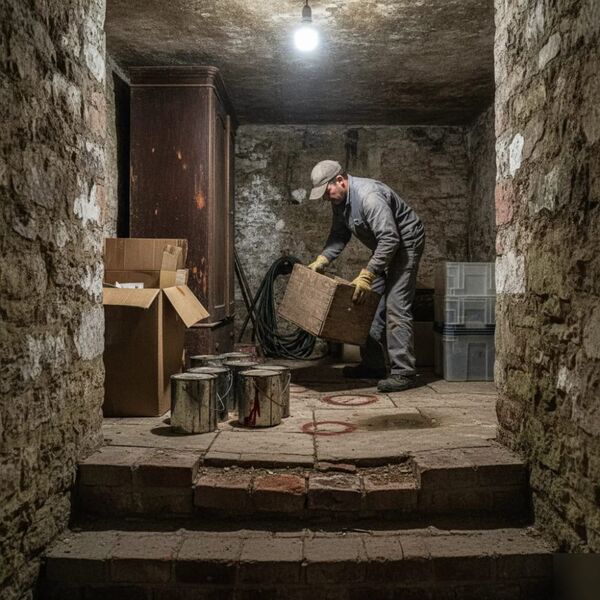
Signs Your Cellar Needs Professional Clearance
Most people do not think about their cellar until it becomes necessary. Then they find themselves standing at the top of the steps, wondering what is stored below.
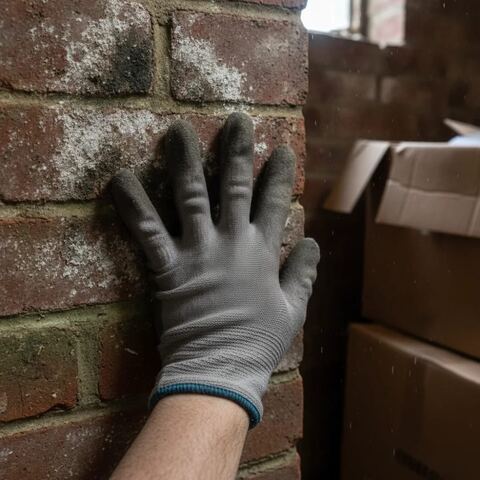
Damp often provides the first clue. If you can smell it before you see it, that means items have been sitting for too long. Old furniture, boxes with softened corners, tins and paint pots from past decades, cellars trap moisture. They hold onto smells long after other areas of the house have moved on. Tunbridge Wells has many Victorian and Georgian properties with original coal cellars. These spaces were not built with ventilation in mind. Once damp takes hold, it will not resolve itself.
Then there is the weight. Coal, old paint, glass bottles, broken furniture, it accumulates quickly. Carrying it up narrow cellar steps is not a task you want to do alone. We see this every week: someone starts the job, gets a few boxes in, and then realises the steps are too steep and the load too heavy to manage safely.
Other signs to watch for:
- Items you cannot identify anymore, buried under years of storage
- A smell that does not shift even after opening the hatch or door
- Visible mould on boxes, wood, or brickwork
- A cellar that has become a dumping ground instead of a usable space
- An inherited property where nobody knows what is stored below
Not sure if your cellar counts as a proper clearance job or just a tidy-up? That is a common question. If it needs more than an hour and a torch, it is probably time to call someone. Often, once we are inspecting the space, the job proves bigger than the homeowner initially expected.
What Happens During a Cellar Clearance
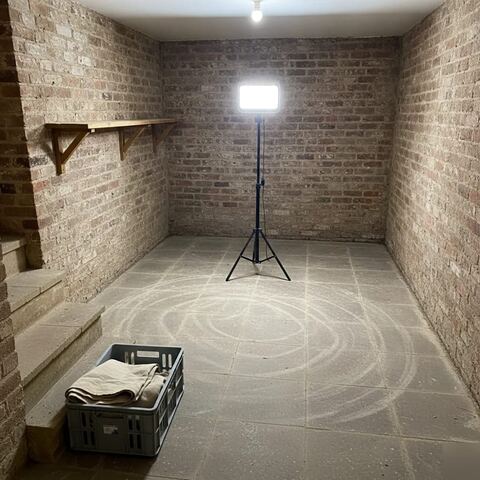
Cellars present a unique type of job. They often have steep steps, low ceilings, and damp corners, sometimes holding decades of items untouched since they were stored. Before we lift a box, we walk through the space with you to discuss what is staying, what is going, and what needs careful handling.
Old coal cellars under Victorian terraces in and around Tunbridge Wells often still have their original chute openings bricked up behind shelving. We frequently find forgotten items wedged into these spaces. The first step is always assessment, not lifting.
- We check access. Narrow stairs and low beams may alter the plan before we begin removing items.
- We sort as we go. Items suitable for charity are set aside; nothing gets skipped unnecessarily simply because it is dusty.
- We clear in stages if the space is packed tightly. Cellars often fill from the back, meaning the oldest and heaviest items are usually located there.
- We handle anything damp, mouldy, or damaged separately. Not everything stored in a cellar is safe to donate.
- We sweep and leave the space clear and tidy, ready for storage, renovation, or simply for your peace of mind.
Large furniture is often a sticking point. An old wardrobe or dresser stored below ground for years might not come up the same way it went down, sometimes needing to be dismantled first. This is something we handle routinely. We also manage appliance disposal; old chest freezers frequently seem to end up in cellars more than anywhere else.
Every load leaves with paperwork. We are fully licensed waste carriers, and you will receive waste transfer notes for anything that is not donated or reused. This is not simply a formality, it keeps you covered and is the proper way this work should be done.
When You Can Clear a Cellar Yourself

Not every cellar requires our service. If yours holds a few boxes of Christmas decorations, an old bike, and some paint tins, you can probably clear that in an afternoon. Gather some bin bags, a torch, and a friend to help carry the heavier items up the stairs. The job will be complete.
Here is a simple test we would suggest. Can you carry everything up yourself, in regular loads, without needing to move furniture through a hatch or cause any damage? Is the space dry, with no standing water or a significant damp problem? Are you dealing with less than a van-load of items, with nothing requiring specialist disposal like paint, oil, or old gas canisters? If you answered yes to all three, then you may not need our assistance at this time.
The situation becomes trickier with period properties. Many older homes around here, such as Victorian terraces and converted cottages, have cellars with low headroom, narrow winding stairs, or coal chutes that were not designed for modern furniture to pass through. What might seem a straightforward job can quickly turn into hours of frustration.
Weight is also a factor. An old wardrobe, a water tank, or stacks of tiles left by a previous owner, these items become heavier the longer they sit in a damp cellar. Cellar steps are rarely built for hauling such a load.
So, if the task is light, dry, and manageable, we encourage you to proceed with it yourself. We prefer you save your money on a job you can complete over a weekend. However, if you are facing a cellar full of decades of accumulated items, structural clutter, or anything you are unsure how to dispose of properly, that presents a different situation.
Preparing Your Cellar in Tunbridge Wells for Clearance Day
Most cellars in Tunbridge Wells are found under Victorian and Edwardian terraces. These often feature steep brick steps and a door barely wide enough for a wardrobe. Before we arrive, a little preparation on your part can make the day quicker and calmer.
Start by walking down there with a torch, even if you believe you already know its contents. Damp quickly affects these old spaces, and boxes left since a previous tenancy often turn to mush at the bottom. This is normal. We see it every week, and it does not slow us down.
Here is what helps on the day:
- Pull out anything you are keeping and place it upstairs, out of the way.
- Point out fragile items or anything with sentimental value so it can be handled with care.
- Check the stairs for loose boards or low beams, which are common in period properties around the town centre and Southborough.
- Let us know if there is damp, mould, or standing water so we can come prepared.
- Clear a path to the front door or side access for the van.
You do not need to sort everything into piles or label boxes. That is our responsibility. And you certainly do not need to clean anything beforehand, no matter how bad it looks down there. We have cleared cellars in Pembury and Langton Green that had not seen daylight in years, containing coal dust, old paint tins, and similar accumulations.
Narrow cellar access in older Tunbridge Wells homes sometimes prevents us from getting large furniture up in one piece. If this is a possibility, please tell us beforehand so we can plan for it rather than discovering this halfway through the process. Nothing gets skipped unnecessarily, but awkward access can change how long the job takes.
How Cellar Clearance Pricing Works
Cellar clearance pricing is not a fixed amount. It depends on what is in the space, the volume of items, and the ease of removal. A dry cellar under a Tunbridge Wells period property with a wide staircase will cost less to clear than a damp Victorian coal cellar accessed through a narrow hatch. Access influences the cost.
Most clearance companies base their initial pricing on volume. Consider how many van loads might be required. A few boxes of old paperwork represents a smaller job. A cellar packed floor to ceiling with furniture, tools, and decades of storage is a much larger undertaking. Weight is also a key factor, especially with older fridges, bagged cement, or waterlogged carpet. Heavier loads generally incur higher legal disposal costs.
The question of access is next. Steep stone steps, low ceilings, and tight door frames, all of this slows a team down and adds time. We see this every week in the older parts of Tunbridge Wells, where cellars were built for coal storage, not designed for modern clearance needs or easy access.
Ask any provider these questions before you book:
- Do you charge by volume, weight, or time on site?
- Is disposal and recycling included in the quote, or is it added afterwards?
- Will you provide waste transfer notes for what is removed?
- What happens if there is more in the cellar than initially estimated?
A proper quote should account for the exact contents of the cellar, not a rough guess from the doorway. This is why we always conduct an inspection before providing a quote. Nothing gets skipped unnecessarily, and nothing gets added to the bill halfway through due to an underestimation of the job. As fully licensed waste carriers, we handle disposal properly; this proper disposal is inherently part of a fair quote. Call us and we will give you a free, no-obligation quote based on the actual contents.
Find Us in Tunbridge Wells
Based in Tunbridge Wells, we cover towns across Kent and Sussex including Tonbridge, Sevenoaks, Crowborough, Paddock Wood and beyond.
Frequently Asked Questions
We can usually book you in within a few days of your call. Many cellar jobs come from people who have just noticed damp or a smell they cannot place, so we keep space free for these calls. When you ring, tell us roughly how full the cellar is and whether you have narrow steps. This helps us plan the right team and time slot before we even arrive.
We start by walking through the space with you before touching a single box. You show us what stays and what goes, and we flag anything fragile or damp that needs extra care. Then we clear in stages, working from the back of the cellar forward, since that is usually where the oldest and heaviest items sit. We sort as we go and leave the space swept and clear at the end.
Victorian cellars in Tunbridge Wells were built as coal stores, not living space, so they often have no ventilation at all. This means damp builds up fast and never really airs out on its own. Many still have old coal chute openings bricked up behind shelving, and we regularly find items wedged into these gaps. Steep brick steps and low ceilings also make heavy items much harder to bring up safely.
Yes, we handle damp and mouldy items as a normal part of cellar clearance work. Anything showing mould on wood, boxes, or brickwork gets separated and dealt with differently to items that are still in good, donatable condition. A smell that lingers even with the hatch open usually means items have been sitting untouched for years. We are used to this and it does not slow the job down.
Items in good condition are set aside for charity or reuse rather than sent straight to waste. Anything damaged, damp, or unsuitable for donation is disposed of properly through licensed waste channels. Every load leaves with paperwork, since we are fully licensed waste carriers. You get a waste transfer note for anything that is not donated, so you have a clear record of where it all went.
No, you do not need to move heavy items yourself before we get there. It helps if you walk down with a torch beforehand and set aside anything you are keeping, placing it upstairs out of the way. Pointing out fragile or sentimental pieces also helps us handle them with care. Beyond that, checking the stairs are clear of trip hazards is the main thing worth doing before clearance day.